
What Home Modifications Make Aging in Place Easier?
Most people who want to stay in their home as they get older do not need to remodel everything at once. The best changes usually come from looking at the parts of the house that are already becoming harder to use and making them safer, easier to reach, and more comfortable.
At The Trusted Toolbox, we help homeowners throughout Metro Atlanta make practical updates that support aging in place without making the home feel clinical or overbuilt. Sometimes that means a bathroom remodel. Other times it is a group of smaller changes like better handrails, grab bars, improved lighting, lever-style hardware, or repairing trip hazards that have become more noticeable over time.
The goal is simple: make the home easier to use now while reducing the chance that everyday tasks become harder later.
Start With the Areas You Use Every Day
The best aging-in-place plan usually starts with the parts of the house that get the most use. Bathrooms, stairs, entryways, kitchens, and hallways tend to matter more than rooms that are rarely used. If getting in and out of the shower already feels awkward, that should move higher on the list than a cosmetic update in a guest room.
We usually recommend looking at the home based on daily routines. Think about where you step over thresholds, where you need to reach overhead, where the floor can get slippery, and where you rely on furniture or walls for balance. Those small details often tell us where the most useful modifications should happen first.
Bathroom Changes Can Make a Big Difference
Bathrooms are one of the most important areas to address because they combine water, hard surfaces, tight spaces, and frequent changes in position. Some homeowners need a full bathroom remodel. Others can improve safety with a smaller group of upgrades. Common aging-in-place bathroom modifications include:
- Grab bars near the toilet and shower
- Curbless or low-threshold showers
- Handheld showerheads
- Better lighting
- Slip-resistant flooring
- Comfort-height toilets
- Easier-to-use faucet handles
- Wider access around the toilet or shower
- Improved storage that reduces bending or reaching
We do not assume every bathroom needs to be completely rebuilt. If the layout already works well, adding the right support and reducing a few difficult movements may be enough.
Grab Bars Should Be Installed Where They Are Actually Useful
A grab bar only helps if it is placed where the person naturally needs support. That may be near the shower entrance, inside the shower, beside the toilet, or along another transition point. The wall also needs enough support behind the finish to hold the bar properly.
We do not like treating grab bars as decorative accessories. Their location, height, and attachment matter. This is also why it is easier to plan them during a bathroom remodel or repair, when we may already have access to framing behind the wall.
Curbless Showers Can Make Bathing Easier
Stepping over a high tub wall or shower curb can become difficult over time. A curbless or low-threshold shower reduces that obstacle and can make the space easier to use with limited mobility. It can also make the bathroom easier for a caregiver to assist in later if that ever becomes necessary.
The design still needs to manage water correctly. Drain location, slope, waterproofing, and surrounding floor conditions all matter. A good accessible shower should be easier to enter without creating a new water problem.
Improve the Handrails Before the Stairs Become a Problem
Stairs are another place where small improvements can have a big impact. A loose handrail, short railing, poor lighting, or worn tread can make stairs harder to use safely. In some homes, adding a second handrail gives the homeowner support on both sides. We often look at:
| Stair or Entry Issue | Modification That May Help |
|---|---|
| Loose handrail | Repair or replacement |
| Rail only on one side | Add a second handrail |
| Poor lighting | Improve stair and landing lighting |
| Worn or slippery tread | Repair or replace tread surface |
| High entry step | Add a safer step or adjust the approach |
| Difficult threshold | Reduce or modify the transition |
These are often manageable repairs that do not require a major renovation.
Door Hardware Can Be Easier to Use
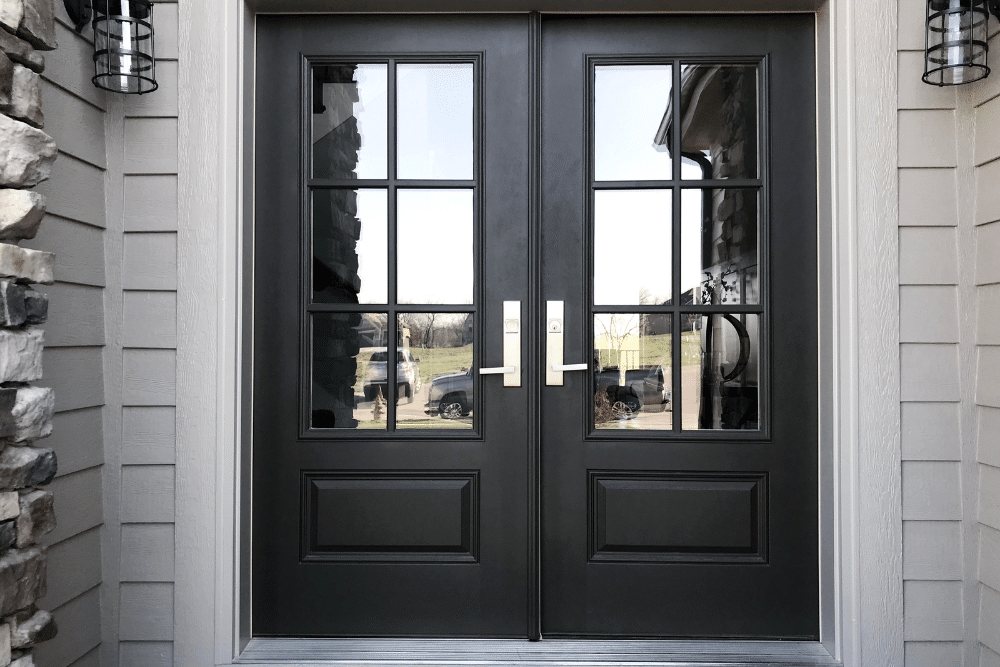
Round doorknobs can become frustrating for people with reduced grip strength or arthritis. Lever-style handles are generally easier to operate because they do not require the same twisting motion. The same idea can apply to faucets, cabinet hardware, and some other fixtures throughout the home.
These are simple changes, but they can make everyday use noticeably easier. If several doors throughout the house need new hardware, this is also the kind of project that can often be grouped into one handyman visit.
Wider Doorways May Be Worth Planning For
Not every homeowner needs wider doors, but doorway width becomes more important if mobility changes. A narrow bathroom or bedroom entrance can be difficult to navigate with a walker or wheelchair. In some homes, widening the opening may be possible without dramatically changing the room.
This is the kind of modification that is easier to consider before mobility becomes an urgent issue. We also look at which doorways actually matter. Widening every opening in the house may not be necessary if the main bedroom, bathroom, kitchen, and primary living areas are already accessible.
Lighting Is One of the Most Overlooked Improvements
Aging in place is not only about structural changes. Better lighting can make stairs, hallways, bathrooms, kitchens, and entryways easier to navigate. Dark corners and uneven lighting can make steps and floor transitions harder to see. Useful changes may include:
- Brighter stairway lighting
- Better bathroom lighting
- Additional switches at convenient locations
- Motion-activated lights
- Improved exterior entry lighting
- Under-cabinet kitchen lighting
The goal is to make the home easier to understand visually, especially at night.
Fix Trip Hazards Before They Become a Bigger Problem
Small floor transitions that never bothered you before can become more important as balance or mobility changes. We often look for loose flooring, damaged thresholds, uneven steps, raised transitions, curled edges, and other areas where a foot can catch.
Some of these repairs are simple. Others may require replacing a damaged section of flooring or rebuilding a transition between rooms. The important part is not waiting until someone falls before deciding the problem matters.
The Main Entry Should Be Easy to Use
Aging-in-place planning often focuses on bathrooms and bedrooms, but the front or garage entry matters just as much. Think about what it takes to get from the driveway or garage into the house. Are there several steps? Is there a sturdy handrail? Is the landing large enough? Does the door stick or require a lot of force to open? Possible improvements include:
- Adding or improving handrails
- Repairing uneven steps
- Improving exterior lighting
- Reducing difficult thresholds
- Widening the entry when practical
- Repairing doors that are hard to open
- Adding a ramp where appropriate
We like to think through the entire path into the house, not just the final doorway.
The Kitchen May Need Smaller Changes Than You Think
Aging-in-place kitchen work does not always mean a full remodel. Sometimes the most helpful changes are about reach and access. Frequently used items can be moved to easier-to-reach storage. Lower drawers can replace deep cabinets in some areas. Better lighting, lever faucets, and easier cabinet hardware can all reduce unnecessary strain.
If a homeowner is already planning a kitchen remodel, that is a good time to think about future accessibility. But if the kitchen is otherwise in good condition, a few targeted updates may be enough.
You Do Not Have to Make the House Look Institutional
This is something homeowners worry about. Accessible design does not have to make the home look like a hospital or care facility. Many modern grab bars, handrails, fixtures, showers, and hardware options blend into the rest of the home.
We usually try to make changes that improve function without making the house feel dramatically different. Good aging-in-place work should still feel like your home.
When Does a Small Modification Turn Into a Remodel?
Sometimes a repair or small upgrade is enough. Other times the existing layout itself becomes the problem. A bathroom may need a larger remodel if there is not enough room to move safely, the shower is difficult to enter, or the existing floor has water damage. A doorway may need framing changes to become wider. An entry may require more extensive work if the grade or steps make access difficult.
The decision depends on what the homeowner needs and what the existing structure allows. We do not recommend remodeling more than necessary. We start with the problem and work outward from there.
What We Look At During an Aging-in-Place Walkthrough
When we help a homeowner think through aging-in-place improvements, we look at how the house is actually used. We may pay attention to:
- Entry steps and thresholds
- Stair handrails
- Bathroom access
- Shower and tub entry
- Toilet clearance
- Door widths
- Door and cabinet hardware
- Lighting
- Flooring transitions
- Areas that are difficult to reach
- Loose or damaged railings
- Common repair items that could become safety concerns
We also ask what already feels difficult. That conversation matters because the best modification is not always the one that appears most obvious to us. If one particular task is becoming frustrating every day, fixing that problem may create more value than a larger project somewhere else.
Which Modifications Should You Do First?
If you are not ready for a major remodel, start with the changes that address safety and everyday use. A practical priority might look like this:
Repair loose railings, damaged steps, and trip hazards.
Improve bathroom support and shower access.
Improve lighting in stairs, hallways, and entrances.
Replace difficult knobs or hardware.
Address doorways and thresholds that are hard to navigate.
Plan larger bathroom or entry modifications if needed.
You can then add other improvements over time. Aging in place does not have to be one giant project.
Planning Earlier Gives You More Options
It is much easier to make thoughtful changes when you are planning ahead instead of responding to an emergency. If you already know you want to stay in your home long term, making a few improvements now can make the house easier to use today and prepare it for future needs.
That may mean repairing a railing this year, changing door hardware next, and planning a more accessible bathroom later. There is no requirement to do everything at once.
Let Our Team Help You Make the Home Easier to Use
If you are planning to stay in your home as you get older, our team at The Trusted Toolbox can help you identify practical improvements that fit the house and the way you use it.
We work with homeowners throughout Metro Atlanta on aging-in-place upgrades including grab bars, handrails, bathroom modifications, curbless showers, wider doorways, improved lighting, flooring repairs, safer entries, and general home repairs.
If you already have a list of changes in mind, send it to us. If you are not sure where to start, we can walk through the home with you, identify the areas that deserve attention, and help you build a plan that can be completed all at once or over time.